
Newsletter | March 2026
What’s On This Month
Key Dates
17th March | St Patrick’s Day
20th March | Eid al-Fitr
20th March | National Ride 2 School Day
28th March | Earth Hour

Recipe | Greek Yoghurt Choc Chip Muffins
Prep Time: 10 mins
Cook Time: 20 mins
Serves: 12-15
Ingredients
2.5 cups plain flour
1 tbs baking powder
½ tsp baking soda
½ tsp salt
⅓ cup sugar
2 eggs, lightly whisked
⅔ cup unflavoured oil,
1 cup Greek yogurt,
¼ cup milk, (¼ to ½ cup)
1 teaspoon vanilla extract
1.5 cup choc chips
Method
Pre-heat the oven to 180 C, line a muffin pan with muffin liners. Spray lightly with oil.
Combine the dry ingredients in a large bowl.
Combine the wet ingredients in a jug or smaller bowl.
Pour the wet ingredients into the dry and mix with a wooden spoon until just combined (a few lumps are fine. Don’t overmix). Add a little more milk if necessary (the mixture will be quite thick but it shouldn't be dry).
Gently fold the chocolate chips into the batter.
Spoon the batter into the muffin cases (you can fill almost to the top) and bake for 17 to 25 minutes.
After 17 minutes keep checking every couple of minutes. A skewer pushed into the centre of the muffin should come out without raw batter on it, and the muffins should be nicely golden brown.
Let cool completely on a wire rack before eating so that the muffin cases don’t stick. Reheat for 15 seconds in the microwave after peeling off the muffin case if you’d like to enjoy a muffin warm!
Find this recipe and more at Scrummy Lane
Send Us feedback
Want to have your say and improve our services?
Email us at contact@kidsfamilydaycare.com
Sustainability
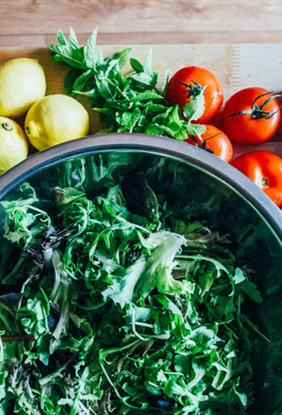
Supporting Local Farmers
Choosing food grown by local farmers is a simple way families can help care for the environment. When food is grown closer to home, it doesn’t need to travel long distances to reach our plates. This means fewer trucks on the road, lower fuel use, and reduced greenhouse gas emissions, which helps protect our planet.
Local farmers often grow produce that is in season, supporting natural growing cycles and healthier soils. Many also use sustainable farming practices that care for the land, water, and wildlife. Buying locally helps protect green spaces and supports farming communities to continue caring for the environment around us.
For children, learning where food comes from builds understanding and respect for nature. Visiting a local market, growing herbs at home, or talking about how food is grown helps children see how everyday choices can make a positive difference.
Allergy Awareness
Even if your child does not have an allergy, allergy awareness is an important part of keeping children safe in early learning settings, schools, and the wider community. Food allergies are increasingly common in young children, which means most children will share spaces, meals, and activities with peers who have allergies at some point.
Understanding what allergies are, what to look out for, and how to talk to children about allergy safety helps create a safer and more inclusive environment for everyone.
What Is a Food Allergy?
A food allergy occurs when a person’s immune system reacts to a food that is usually harmless. Common allergens in early childhood include peanuts, tree nuts, eggs, dairy, wheat, soy and sesame. Reactions can range from mild symptoms, such as hives or stomach upset, to more serious reactions that require urgent medical attention.
Children without allergies often don’t understand why certain rules exist around food. From their perspective, sharing food is kind and friendly. This is why allergy awareness focuses on teaching children simple safety rules rather than medical detail.
What Parents Should Be Aware Of
While allergic reactions are rare in children without known allergies, it’s helpful for parents to be aware of general signs of a reaction.
These may include rashes or hives, swelling of the lips, eyes, or face, vomiting, persistent coughing or breathing changes.
Parents are not expected to diagnose allergies but knowing that reactions can look different helps families understand why early learning services take food safety seriously.
Teaching Children to Be Allergy Aware
Children don’t need complex explanations to understand allergy safety. Simple, consistent messages are most effective and help children feel confident rather than worried.
Helpful messages to reinforce at home include:
“We don’t share food, everyone’s body is different.”
“Some foods can make people sick, so adults help keep everyone safe.”
“We always wash our hands before and after eating.”
Why Children Need Repetition
If you’ve ever read the same book for the tenth time in a row, played the same game again and again, or followed the exact same bedtime routine night after night, you’re not alone. Repetition is a natural and important part of early childhood and while it can feel exhausting for adults, it plays a powerful role in how young children learn and feel safe in the world.
For young children, repetition builds understanding. Each time a child hears the same story, sings the same song, or repeats a familiar routine, their brain is strengthening connections. They begin to notice new details, predict what comes next, and make sense of the world around them. This repetition supports memory, language development, and confidence, helping children feel capable and secure.
Repetition also supports emotional regulation. Familiar activities and routines create a sense of predictability, which helps children feel calm and safe. When children know what to expect, their nervous system can relax. This is especially important during times of change, growth, or emotional development. A familiar book, song, or routine can be deeply comforting, helping children manage big feelings and transitions.
You may notice that children often repeat activities during periods of rapid development or emotional change. This is not a sign that they are stuck it’s a sign that they are practising. Just as adults rehearse skills to build confidence, children use repetition to master new ideas and experiences. Saying the same words, playing the same game, or following the same steps helps children process information and gain control over their environment.
For families, repetition can sometimes feel frustrating or boring. However, small shifts in perspective can help. Rather than seeing repetition as something to endure, it can be viewed as a window into what your child is working hard to understand. Joining in, observing, or gently extending play can support learning while still honouring your child’s need for familiarity.
Repetition does not mean a lack of creativity. In fact, once children feel confident with a familiar activity, they often begin to add their own ideas changing characters in a story, altering the rules of a game, or exploring new ways to play. These small changes show growing confidence and imagination built on a strong foundation of familiarity.
At early learning settings, educators intentionally use repetition through routines, songs, and experiences to support children’s learning and wellbeing. At home, families can support this by allowing favourite books, routines, and activities to be revisited as often as children need.
So, the next time your child asks for “that one again,” remember that repetition is meaningful work. It’s how children learn, regulate, and build confidence — one familiar moment at a time.
Educator of The Month
Congratulations to …
Maggie Yu
Rowville
Coordinator: Lynsey Chen
Maggie is a passionate and experienced early childhood educator who runs the warm and welcoming Sunny Sprout Family Day Care in Rowville.
With many years of experience in community-run kindergartens, she brings a deep understanding of children’s development and learning. Her environment is intentionally designed and thoughtfully inspired by Steiner and Montessori philosophies, creating a calm, nurturing space that encourages independence, creativity, and a love of learning.
Maggie believes that a small group, home-based setting is the most natural way for children to grow, explore, and thrive, ensuring each child feels valued, supported, and inspired every day.
Books we Love
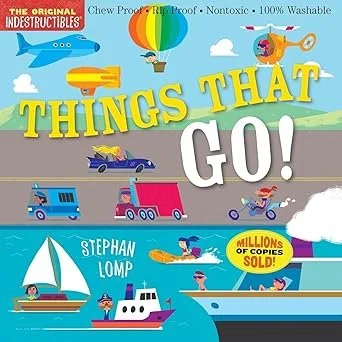
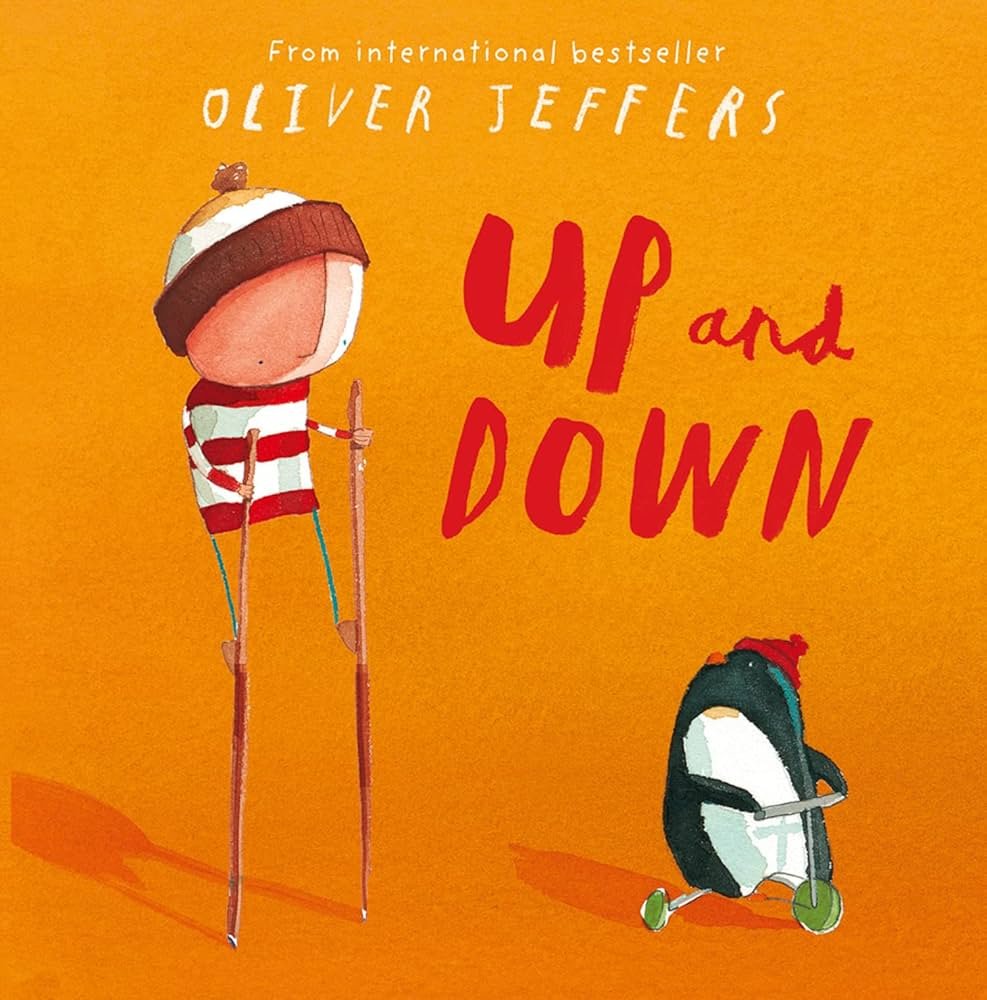
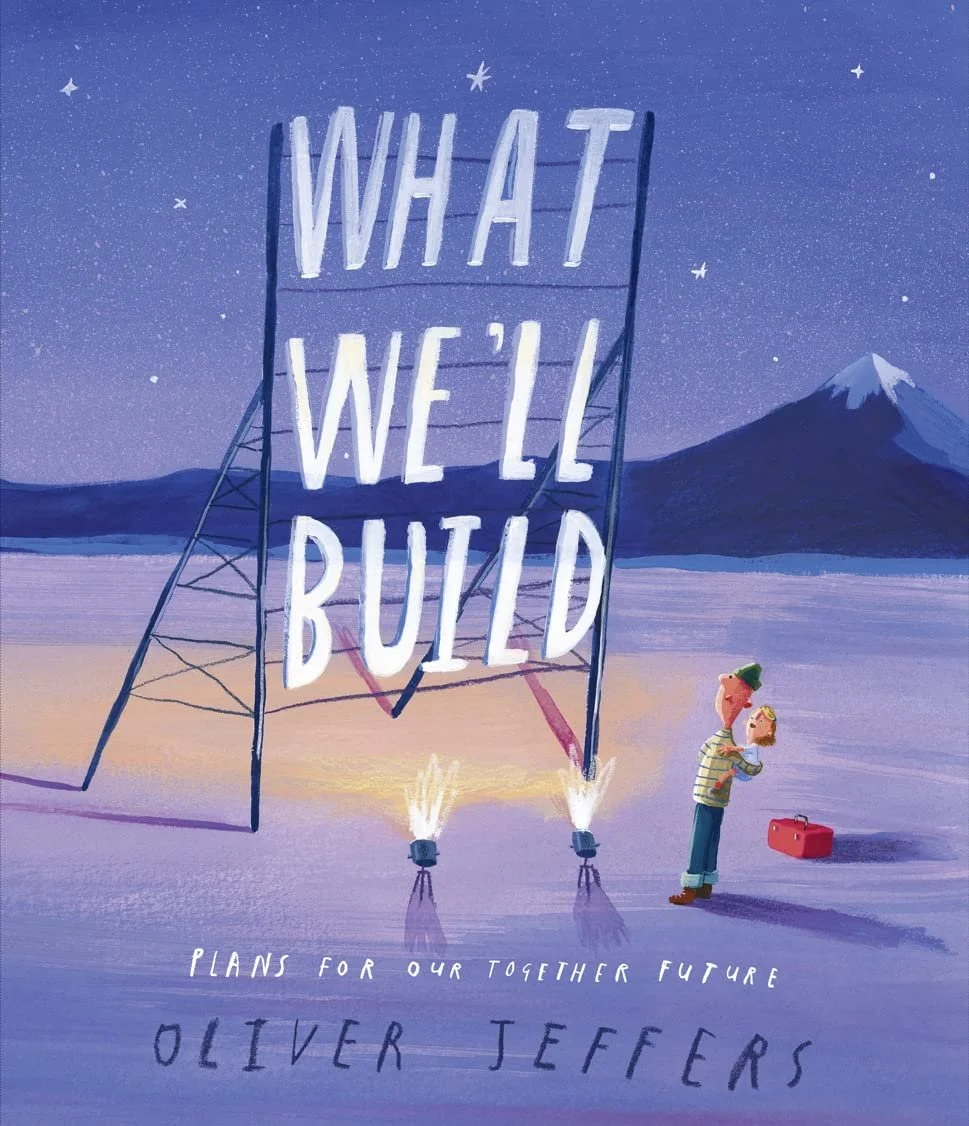
Our Top Picks

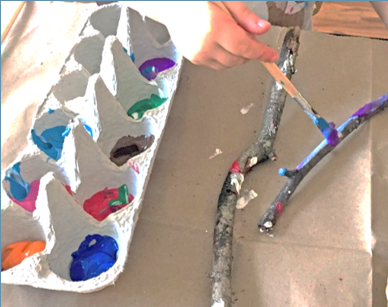
Stick Decorating
How it works:
Stick decorating is a simple, creative activity that encourages children to slow down, observe nature, and express themselves through art. It begins with a walk, a great opportunity for families to spend time together outdoors while exploring the environment.
Head out for a short walk in your local area, park, beach, or backyard and look for fallen sticks on the ground. Encourage children to choose smooth sticks with larger surface areas, as these are easier to decorate. Take time to notice shapes, textures, and sizes, talking about what makes each stick different. This helps build observation skills and appreciation for natural materials.
Once home, wipe the sticks clean and set up a simple art space. Children can use crayons, paints, or markers to decorate their sticks with patterns, lines, symbols, or colours. Some children may enjoy creating stories about their sticks turning them into magic wands, characters, or nature tools, while others may focus on repeating patterns or colour mixing.
This activity supports fine motor skills, creativity, and imagination while using materials found in nature.
It also encourages sustainability by showing children that art doesn’t need to come from a shop sometimes the best materials are already around us.
Image Source: Days with grey