
Newsletter | April 2026
What’s On This Month
Key Dates
2nd April | World Autisim Day
25th April | ANZAC Day
28th April | Pay It Forward Day

Recipe | Pumpkin Mac & Cheese
Prep Time: 25 mins
Cook Time: 20-25 mins
Serves: 12
Ingredients
500 grams orecchiette
pasta (any small, shaped pasta)
Pumpkin Cheese Sauce
4 tbs butter
4 tbs plain flour
2 cups milk
1 can (400 g) pumpkin puree
1 tsp garlic powder
1 tsp dry mustard
1/4 tsp cayenne white pepper, to season
grating of fresh nutmeg
125 g mozzarella, grated
100 g parmesan, grated
Panko Topping
1 1/4 cups panko style breadcrumbs
100 grams mozzarella, grated
Method
Preheat oven to 200 C.
To cook the pasta: Bring a large pot of water to the boil.
Add salt and pasta and cook according to packet instructions. Drain and set aside.
To make the pumpkin cheese sauce: Place the butter into a large saucepan over medium heat and melt.
Add flour and whisk to create a smooth paste. Slowly add milk, whisking continuously.
Continue to whisk until slightly thickened, approx. 3 minutes or until the mixture coats the back of a spoon.
Reduce the heat to low and whisk in the pumpkin puree, garlic, mustard, cayenne and pepper.
Add the cheeses and stir until melted. Take off the heat.
Add cooked pasta to the pumpkin mac and cheese sauce and mix thoroughly to combine.
Pour the pasta mixture into a large baking dish
To make the panko topping: Sprinkle the panko breadcrumbs and mozzarella cheese evenly over the pasta.
Bake for 20-25 minutes or until the cheese is melted and breadcrumbs are golden.
Find this recipe and more at ‘My lovely lunchbox'
Send Us feedback
Want to have your say and improve our services?
Email us at contact@kidsfamilydaycare.com
Sustainability

Planting for the Season
April is a wonderful time to start thinking about planting and caring for gardens as the weather begins to cool in many parts of Australia. Planting herbs, leafy greens, or winter vegetables is a simple way for families to grow fresh food at home while learning about sustainability.
Gardening helps children understand where food comes from and how plants grow. Even small spaces like balconies, windowsills, or pots in the backyard can be used to grow something useful. Herbs such as parsley, spinach, lettuce, and silver beet are great options for autumn planting.
Looking after plants teaches children responsibility while also encouraging patience and care for the environment. By growing even a small amount of food at home, families can reduce packaging waste and food miles while enjoying fresh, homegrown produce together.
Healthy Sleep Habits for Preschoolers
Sleep is an essential part of children’s health, growth,
and development. Preschool-aged children typically need around 10–13 hours of sleep each day, including naps. During sleep, children’s bodies and brains are busy growing, repairing, and processing everything they have learned throughout the day. Getting enough rest helps children feel ready to play, learn, and connect with others.
When children are well rested, they are more likely to have the energy and focus needed for everyday activities. Adequate sleep also supports emotional regulation, helping children manage their feelings and cope with challenges. In contrast, when children are overtired, they may become more irritable, have difficulty concentrating, or struggle with transitions and routines. Sleep also plays an important role in supporting the immune system, helping children stay healthy.
For many families, bedtime can sometimes feel like a challenge. Preschoolers are naturally curious and may resist going to bed when they feel there are still exciting things happening around them. Creating a predictable and calming bedtime routine can help children transition from the busy parts of the day into a restful night’s sleep.
A bedtime routine does not need to be complicated. Simple, consistent steps such as having a bath, putting on pyjamas, brushing teeth, and reading a story together can help signal to children that bedtime is approaching. Doing these activities in the same order each evening helps children understand what to expect and can make the transition to sleep feel easier and more secure.
The sleep environment can also make a difference. A quiet, comfortable, and dimly lit bedroom helps children relax. Some children enjoy having a favourite soft toy, blanket, or night light nearby for comfort. Keeping bedrooms mainly for rest can also support healthy sleep habits.
Another helpful strategy is reducing stimulating activities before bedtime. Bright screens, energetic games, or
When children are well rested, they are more likely to have the energy and focus needed for everyday activities. Adequate sleep also supports emotional regulation, helping children manage their feelings and cope with challenges. In contrast, when children are overtired, they may become more irritable, have difficulty concentrating, or struggle with transitions and routines. Sleep also plays an important role in supporting the immune system, helping children stay healthy.
For many families, bedtime can sometimes feel like a challenge. Preschoolers are naturally curious and may resist going to bed when they feel there are still exciting things happening around them. Creating a predictable and calming bedtime routine can help children transition from the busy parts of the day into a restful night’s sleep.
A bedtime routine does not need to be complicated. Simple, consistent steps such as having a bath, putting on pyjamas, brushing teeth, and reading a story together can help signal to children that bedtime is approaching. Doing these activities in the same order each evening helps children understand what to expect and can make the transition to sleep feel easier and more secure.
The sleep environment can also make a difference. A quiet, comfortable, and dimly lit bedroom helps children relax. Some children enjoy having a favourite soft toy, blanket, or night light nearby for comfort. Keeping bedrooms mainly for rest can also support healthy sleep habits.
Another helpful strategy is reducing stimulating activities before bedtime. Bright screens, energetic games, or exciting play can make it harder for children to wind down. Instead, quiet activities such as reading books, drawing, or listening to gentle music can help children relax.
It is also important to keep regular sleep and wake times where possible. Consistency helps children’s internal body clocks develop healthy rhythms, making it easier for them to fall asleep and wake up feeling refreshed.
Of course, every child is different. Some children fall asleep easily while others need a little more time and reassurance. Patience, gentle guidance, and consistency can help children gradually develop positive sleep habits.
Healthy sleep routines not only support children’s physical health, but also their emotional wellbeing and ability to learn and explore. By prioritising rest and creating calm bedtime routines, families can help children feel safe, relaxed, and ready for each new day.
Educator of The Month

Congratulations to …
Gagandeep Kaur
Pakenham
Coordinator: Manju Pathak
Gagandeep brings creativity and dedication to everything she does, creating a child-led learning environment where every child feels valued, capable, and inspired to explore the world around them. She takes the time to listen to children’s ideas, follow their interests, and help them turn curiosity into meaningful learning experiences.
She was one of our educator chosen for A&R and showcased her environment and care for children very well. She takes her responsibility for children’s safety seriously, making sure her practice reflects the Child Safe Standards every single day. Her commitment to creating a safe, welcoming, and nurturing environment shines through in everything she does.
She goes above and beyond to build strong, trusting relationships with families, offering a listening ear, practical help, and genuine care for each child’s wellbeing.
Gagan is also incredibly reliable and organised, always on top of her documentation and planning.
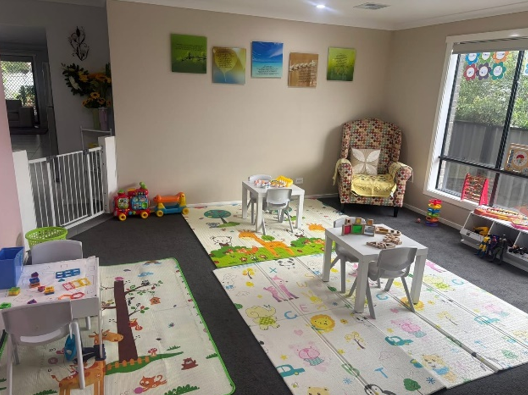
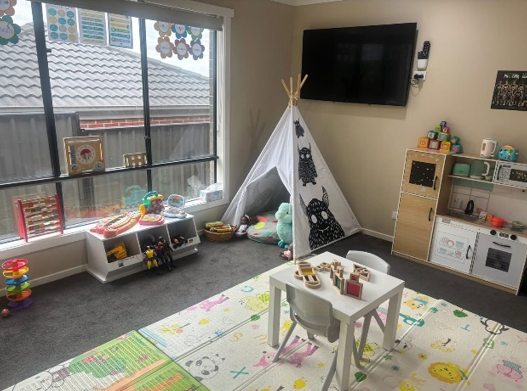
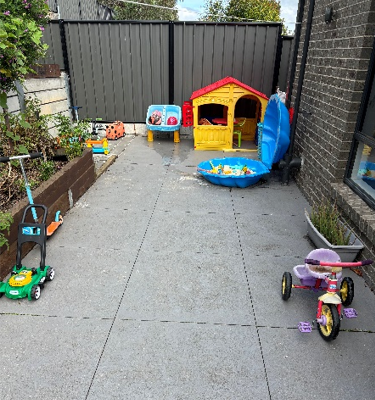
“My name is Gagandeep Kaur, I am an experienced educator as I have been a FDC educator for over a decade.
I am very passionate about creating a safe space for children where they can learn, grow and play. I have built many relationships with families and have provided them with reliable, high-quality care for their children.
Some of my many strengths are organised, patience and understanding children. I am very committed to help children in their learning, safety, wellbeing and early education.
I take lot of pride in offering a warm place for families and their children to come and offer dependable care.”
Books we Love
Our Top Picks





Playdough Easter Eggs
It’s that time of year when the Easter Bunny might be hopping by! Instead of chocolate, children can make their own colourful play dough Easter eggs to give as small, chocolate-free gifts for friends and family.
You will need:
Play dough
Egg-shaped containers. (You can get cheap plastic ones from Kmart or similar stores)
What to do:
Ball up your premade playdough into small handfuls that will fit in your eggs. If your eggs have holes, you will need to cover your playdough in plastic wrap before putting it into its egg.