
Newsletter | February 2026
What’s On This Month
Key Dates
10th February | Safe Internet Day
14th February | Valentine’s Day
17th February | Chinese New Year
16th - 18th February | Ramadan

Recipe | Crispy Parmesan Pita Chips with Beetroot Hummus
Prep Time: 20 mins
Cook Time: 5 mins
Serves: 5
Ingredients
Hummus
115 grams roasted beetroot
1 x 400 gram can chickpeas, drained and rinsed
Zest and juice of one lemon
pinch of salt
2 cloves of garlic crushed
2 tablespoons tahini
1/4 teaspoon cumin, ground
1/4 cup extra virgin olive oil
To serve – Greek yoghurt, toasted and finely chopped almonds, olive oil and coriander
Toasted pita chips
4 wholemeal pita bread, cut into small triangles
1 cup (80 grams) parmesan cheese, grated
1/2 cup finely chopped rosemary
pinch of salt
1/2 cup extra virgin olive oil
Method
Preheat oven to 180 C and line 2 oven trays with baking paper. Set aside.
To make the hummus – Place the beetroot, chickpeas, lemon juice and zest, salt, garlic, tahini and cumin into the large bowl of a food processor. Blitz for 1-2 minutes or until creamy. With the motor running – slowly add the olive oil and blitz until combined. Pop the hummus into a bowl and place into the fridge whilst you prepare the pita chips.
To make the pita chips – Arrange the pita bread triangles on the prepared trays. Place the parmesan, rosemary and salt into a small bowl and stir to combine. Brush each triangle with a little olive oil and top with a little of the rosemary/cheese mixture. Bake for 5 minutes or until the cheese is melted and the pita chips are golden.
To serve – Place the hummus onto a small bowl, top with Greek yoghurt, almonds, olive oil and coriander. Arrange the pita chips around the hummus and dig in! Enjoy xx
Source: Image & recipe mylovelylittlelunchbox.com.
Send Us Feedback
Want to have your say and improve our services?
Email us at contact@kidsfamilydaycare.com
Sustainability
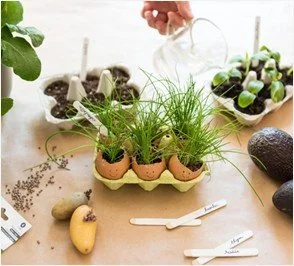
Egg Heads
Gardening is a wonderful way to help children learn about sustainability and caring for the environment. Whether you have a large garden, a small patio, or live in an apartment, planting seeds shows children that they can grow food and plants almost anywhere using simple, reused materials.
This activity encourages reuse and waste reduction by using empty egg cartons or eggshells as seed trays instead of buying new pots. With just a little soil, some seeds and water, children can turn everyday items into something useful, learning that many materials can be given a second life rather than thrown away.
Choosing fast-growing seeds such as radishes, fava beans, lentils or chickpeas helps children see quick results, reinforcing patience and responsibility as they care for their plants. Flowers like nasturtiums and marigolds grow easily and can later be used in salads or to decorate meals, helping children make connections between gardening, food, and reducing food miles.
Through planting, children learn where food comes from, how plants grow, and why caring for the earth is important small actions that support a more sustainable future.
Self-Care Skills: Why Doing Things “By Themselves” Matters
In the preschool years, children are learning so much more than colours, letters, and numbers. Everyday self-care skills like toileting, dressing, and eating play a powerful role in children’s development. While these tasks may seem small to adults, they are big milestones for young children and help build independence, confidence, and a strong sense of self.
When children practise self-care skills, they are learning that they are capable. Pulling up their own pants, putting on shoes, or using a spoon independently sends an important message: “I can do this.” Over time, these moments of success help children develop confidence, resilience, and pride in their abilities.
Toileting, Dressing and Eating: More Than Just Daily Tasks
Self-care routines are rich learning opportunities. Toileting supports body awareness, independence, and self-regulation. Dressing helps develop fine motor skills, coordination, and problem-solving. Figuring out which way clothes go or how to manage buttons and zips takes concentration and persistence. Eating independently builds motor control, patience, and confidence, as children learn to listen to their bodies and manage meals at their own pace.
These skills also support school readiness. Children who feel confident managing their own basic needs often transition more smoothly into group settings. They can focus more on learning and social relationships when they feel secure in their ability to care for themselves.
Independence Builds Confidence
Independence doesn’t mean children have to do everything alone. It means giving them opportunities to try, practise, and learn even when it takes longer. When adults step in too quickly, children may miss the chance to develop confidence in their own abilities. Allowing children time to attempt tasks, make mistakes, and problem-solve builds perseverance and self-belief.
Children who are trusted to try often surprise us. They develop a sense of ownership over their routines and take pride in what they can do. Over time, this confidence carries into other areas of learning, play, and relationships.
Supporting Without Rushing
In busy family life, it’s easy to rush daily routines, but slowing down where possible can make a big difference for children. Allowing extra time for dressing, encouraging children to feed themselves, or calmly supporting toileting helps children feel capable, confident, and respected. Support may involve gentle encouragement, breaking tasks into smaller steps, or modelling rather than taking over. Phrases like “Take your time” or “I’ll wait while you try” remind children that effort matters more than speed. Remember, every child develops at their own pace, progress is gradual, and confidence grows with patience and practice.
Working Together
In early education and care services, educators support self-care skills through everyday routines. Families can reinforce this at home by providing time and opportunities for children to practise independence. These everyday moments help build confidence, resilience, and a strong belief in their own abilities.
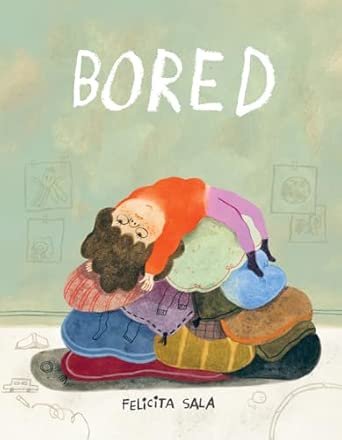
Why boredom is actually good for young children
In today’s fast-paced world, boredom can feel uncomfortable for children and adults alike. With busy schedules, extracurricular activities, and screens always within reach, moments of “nothing to do” are becoming increasingly rare. When a child says, “I’m bored,” it’s tempting to step in straight away with an activity, a suggestion, or a device. However, boredom is not something to fear or fix. In fact, it plays an important role in children’s learning and development.
Boredom gives children the time and space to think, imagine, and explore at their own pace. Without constant stimulation, children begin to look inward for ideas and outward for possibilities. This is often when creativity flourishes. A cushion becomes a mountain, a cardboard box becomes a rocket ship, and a stick becomes a magic wand. These moments of imaginative play help children develop problem-solving skills, flexible thinking, and confidence in their own ideas. Unstructured time also supports independence. When children are not directed by adults or scheduled activities, they learn to make choices for themselves. They practise deciding what to do, how to do it, and how to keep themselves engaged. These small decisions build a sense of autonomy and capability, helping children feel confident in navigating both play and everyday life.
At home, allowing space for boredom may feel challenging at first. Adults often worry that children need to be constantly entertained or productively occupied. However, children do not need expensive toys or planned activities to learn. Simple, open-ended materials are often the most powerful tools for play. Blocks, dress-ups, recycled materials, loose parts, art supplies, and everyday household items invite children to explore freely and creatively. These materials encourage experimentation and imagination rather than a “right” or “wrong” way to play.
Time spent outdoors can also transform boredom into meaningful learning. Nature offers endless opportunities for discovery, watching ants carry food, collecting leaves, splashing in puddles, or building cubby houses from sticks. Outdoor play supports physical development, curiosity, and connection to the natural world. It also allows children to experience change, risk-taking, and problem-solving in a real and engaging environment.
Boredom plays an important role in emotional development as well. Feeling bored can bring up emotions such as frustration, restlessness, or disappointment. Learning how to sit with these feelings and work through them helps children develop emotional regulation and resilience. Over time, children begin to understand that uncomfortable feelings pass and that they have the ability to find solutions for themselves. These builds coping skills that are essential for school and life beyond the early years.
It’s also important to consider the role of screens in children’s experience of boredom. While digital devices can be entertaining and educational in moderation, constant access to screens can reduce opportunities for deep, imaginative play. When children are used to instant entertainment, boredom may feel more difficult to manage. Creating regular screen-free time allows children to rediscover the joy of play, creativity, and exploration without external stimulation.
In early education and care services, we value play that is child-led, open-ended, and rich in learning opportunities. Educators intentionally create environments that allow children to explore their interests, follow their curiosity, and engage in sustained play. By allowing similar opportunities at home, families can support continuity between preschool and home life, reinforcing the skills children are developing each day.
Embracing boredom does not mean leaving children unsupported. It means being present, observant, and responsive while allowing children the freedom to lead their own play. Sometimes this involves stepping back rather than stepping in trusting that children are capable of finding their own way. Over time, families often notice that children become more creative, more independent, and more confident when given space to simply be.
So next time boredom appears, try pausing before offering a solution. What may feel like “nothing happening” is often the beginning of something meaningful. In the quiet moments, children are learning, growing, and discovering who they are.
Educator of The Year 2025
Congratulations to …

Nikki Clarke
Mill Park
Coordinator: Sue Romey
Nikki demonstrates outstanding dedication and passion, creating a warm, welcoming environment and maintaining strong, supportive communication with families. Through engaging programs such as Bush Kinder, weekly music sessions, regular outings, and library visits, she provides rich learning experiences that support children’s development, creativity, and early literacy. Her creativity, enthusiasm, and genuine care ensure each child feels safe, valued, and supported to grow in meaningful and enjoyable ways.
Educator of The Month
Congratulations to …

Nirosha Malawaraarachchi (December)
Narre Warren
Coordinator: Ashleigh Hale
We are pleased to introduce Nirosha as our Educator of the month and recognise her outstanding contributions to our learning community.
Nirosha is an exceptional educator who creates strong relationships with both the children and their families. She creates a nurturing environment where the children feel safe and thrive each day. Nirosha supports the children's learning by providing a well-rounded program that fosters their development at each age and stage.
Congratulations!
Books we Love
Our Top Picks
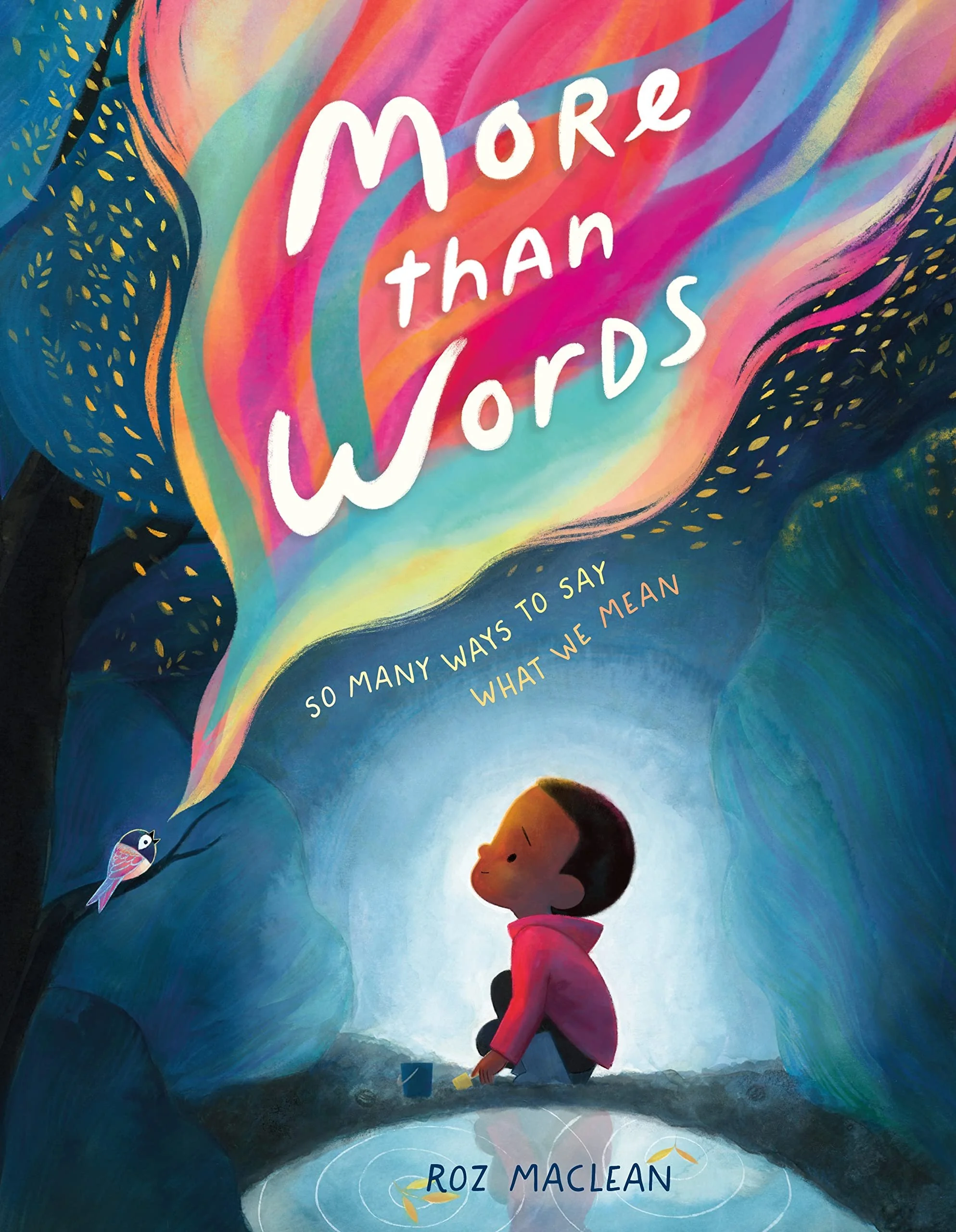

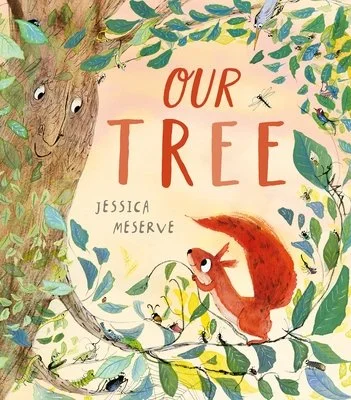
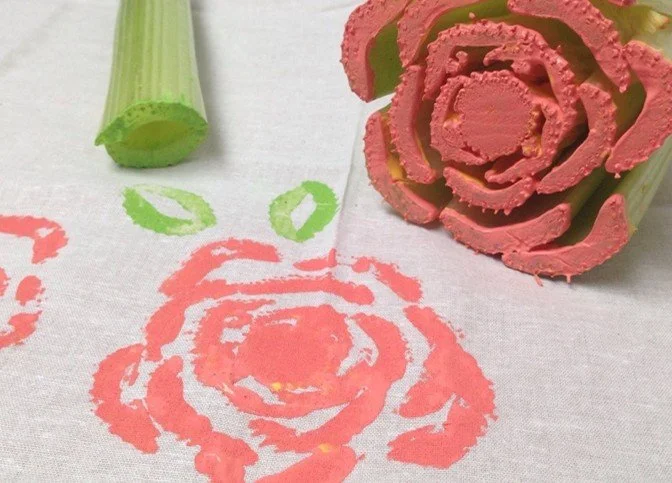
Leftovers Stamping
Introduce children to the sensory joy of creative stamping using everyday leftovers! This simple, calming activity supports fine motor development, creativity, and sustainability by transforming food scraps and recycled materials into art tools.
You Will Need:
Leftovers such as celery stumps, fruit off-cuts, bubble wrap, or small pieces of cardboard
Paint
Paper or cardstock
A plate or large lid for paint
Something to protect your workspace (newspaper or a tablecloth)
What to Do:
Set up a space ready for painting by covering the table and preparing your materials. Pour small amounts of paint onto a plate or lid and spread it slightly to make stamping easy. Laying out all materials within reach helps children work independently and confidently.
Encourage children to dip their leftover items into the paint and press them onto the paper to explore patterns, textures, and shapes. You might like to suggest using warm colours or cool colours together, this helps keep colours vibrant and avoids muddy brown tones. Allow children to experiment freely, noticing how different objects create unique prints. This open-ended approach invites creativity, curiosity, and problem-solving.