
What’s On This Month
Key Dates
5th Nov | Outdoor Classroom Day
11th Nov | Remembrance Day
9-15th Nov | National Recycling Week
24th Nov | National Fairy Bread Day

REMEMBRANCE DAY – NOVEMBER 11
At 11 am on 11 November 1918, the guns on the Western Front fell silent after more than four years of war. More than a century later, Australians continue to pause at the 11th hour of the 11th day of the 11th month to remember those who lost their lives, served, or suffered because of war and armed conflict.
Each year on Remembrance Day, 11 November, we observe one minute’s silence at 11 am. It is a simple but meaningful act of remembrance and reflection, honouring the service and sacrifice of generations past and present. Find out more about
FAIRY BREAD DAY – NOVEMBER 24
Each year National Fairy Bread Day celebrates one of Australia’s simplest childhood favourites ‘fairy bread’ while helping make a difference for children in foster care.
Since 2023, Fairy Bread Day has partnered with The Pyjama Foundation, which supports children and young people in care through its Love of Learning program. Volunteer Pyjama Angels provide one-on-one mentoring, helping children build confidence, learning skills and positive relationships.
Get involved this Fairy Bread Day and sprinkle a little kindness.

FAIRY BREAD BLONDIES
COOK 35 min | MAKES 16
INGREDIENTS
125 g butter, chopped
1/2 tsp baking powder
1/2 cup caster sugar
1/2 cup magic star top sprinkles
1/4 cup milk
White Chocolate Ganache
2 eggs, lightly beaten
1/3 cup thickened cream
1 1/3 cups plain flour
250 g white chocolate, chopped
180 g white chocolate, chopped
METHOD:
1.Preheat oven to 180°C/160°C fan-forced. Grease a 6cm-deep, 20cm square cake pan. Line base and sides with baking paper, extending paper 5cm above edges.
2.Combine butter, sugar, milk and 1/2 the chopped chocolate in a medium saucepan. Stir over low heat for 5 minutes or until sugar is dissolved and chocolate is melted. Transfer mixture to a large bowl. Set aside to cool for 10 minutes.
3.Whisk egg, flour and baking powder into cooled chocolate mixture until just combined. Gently stir in remaining chopped
chocolate and 1/3 cup sprinkles. Pour mixture into prepared pan. Bake for 30 minutes or until a skewer inserted into the centre comes out with moist crumbs clinging. Allow to cool completely in pan.
4. Meanwhile, make White Chocolate Ganache.
Place chocolate and cream in a microwave-safe bowl. Microwave on HIGH (100%), stirring with a metal spoon halfway through, for 1 minute or until melted and smooth.
5. Spread blondies with ganache. Sprinkle with remaining sprinkles. Stand for 20 minutes. Cut into 16 squares. Serve.
Recipe and image from www.taste.com.au
Before the Next Big Step. Helping Children Navigate Change
As the year draws to a close, many families are preparing for exciting new beginnings. Whether it's starting school, moving into a new preschool room, meeting new educators or adjusting to different routines, these transitions represent important milestones in a child's life.
While change can bring excitement and anticipation, it can also create uncertainty. For young children, even positive changes can feel overwhelming, particularly when they involve leaving familiar people, places and routines behind.
Understanding how children experience change can help families support them through these important transitions.
Why Change Can Feel So Big
Young children thrive on familiarity and predictability. Knowing what comes next, recognising the people around them and feeling comfortable in their environment all contribute to their sense of security.
When these familiar experiences change, children may express their uncertainty in different ways. Some become excited and curious, while others may appear more emotional, clingy or reluctant to participate in everyday activities.
These responses are a natural part of adjusting to something new. Children need time to process change, and their feelings may fluctuate throughout the transition.
Preparing for What's Ahead
One of the most effective ways to support children through change is to make the unfamiliar feel more predictable.
Talk about upcoming transitions in simple, positive and realistic ways. Encourage children to ask questions, express their feelings and share what they're looking forward to or feeling unsure about.
Where possible, visit new environments, meet educators or practise unfamiliar routines before the transition occurs. Books and imaginative play can also provide opportunities to explore new experiences. Playing schools, packing a school bag or talking about a new classroom can help children develop a clearer understanding of what to expect.
Finding Comfort in Familiar Routines
During periods of change, maintaining familiar routines can provide children with an important sense of stability.
Regular mealtimes, bedtime rituals and opportunities for family connection help create predictability when other aspects of life are changing.
Small choices can also give children a sense of control. Allowing them to choose their backpack, select a favourite comfort item or help prepare for their first day encourages participation and independence.
Every Child Moves at Their Own Pace
Children respond to transitions differently. Some embrace new experiences immediately, while others need additional reassurance, preparation and time.
Rather than rushing children to feel confident, acknowledge their emotions and celebrate small steps towards independence.
Remember, confidence doesn't mean being completely comfortable with change. It means gradually developing the skills and security to navigate unfamiliar experiences with support.
As one chapter ends and another begins, the most valuable thing we can offer children is the reassurance that, even when their world changes, the love, connection and support surrounding them remain constant.
For more information go to
startingblocks.gov.au
raisingchildren.net.au
HEALTH & SAFETY:
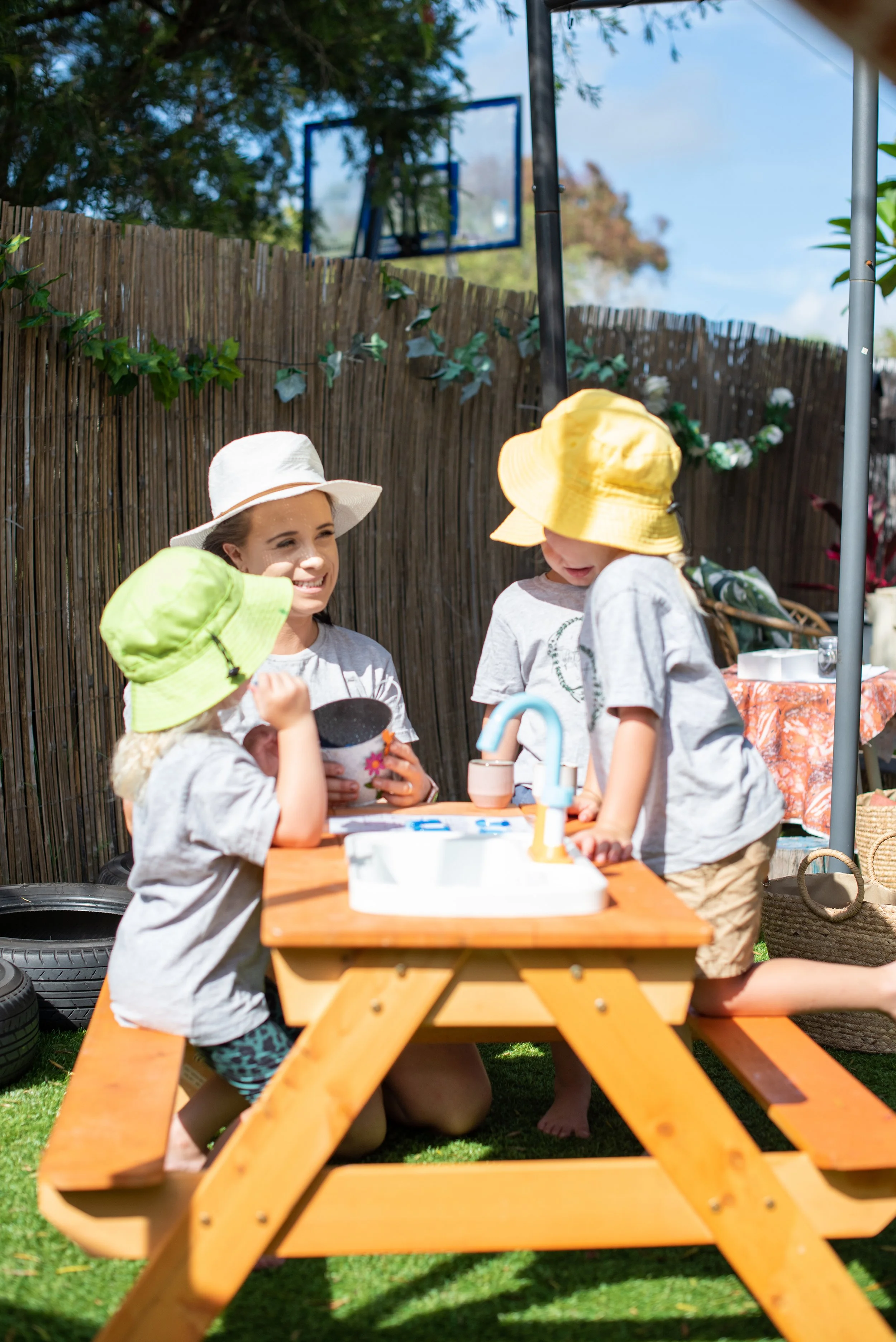
Hot Days, Little Bodies: Keeping Children Safe in Summer
As temperatures rise and summer approaches, outdoor play becomes a big part of family life. From afternoons at the playground to backyard adventures and trips to the beach, there are plenty of opportunities for children to explore, play and enjoy the sunshine.
However, young children are particularly vulnerable to heat-related illnesses. Their bodies can become overheated more quickly than adults, and they may not recognise or communicate when they're becoming too hot or dehydrated. Understanding the risks and making a few simple adjustments can help families enjoy summer safely.
Little bodies feel the heat differently
Children can become unwell quickly during hot weather, particularly when they're physically active. Running, climbing and exploring can make it easy for children to become absorbed in play without noticing that they need a drink or a break.
Rather than waiting for children to say they're thirsty or tired, encourage regular water breaks and opportunities to cool down. Offer water frequently throughout the day, dress children in lightweight, loose-fitting clothing and schedule active outdoor play during cooler parts of the day. On particularly hot days, consider moving activities indoors or replacing energetic games with quieter play in a cool environment.
The hidden dangers of hot playgrounds
One summer hazard that's easily overlooked is the temperature of playground equipment and outdoor surfaces. Metal slides, plastic climbing equipment, artificial grass, rubber playground flooring and concrete can become dangerously hot when exposed to direct sunlight. Research conducted at Sydney playgrounds found that some exposed surfaces reached temperatures exceeding 80°C, creating a significant risk of contact burns.
Before children begin playing, check equipment and surfaces, particularly those exposed to direct sunlight. Remember that shaded areas can also retain heat from earlier in the day. Encourage children to wear appropriate footwear and choose shaded playgrounds whenever possible.
Sun protection goes beyond sunscreen
Protecting children from ultraviolet (UV) radiation is essential, even on cloudy days. Cancer Council Australia recommends five forms of sun protection whenever UV levels reach 3 or above: protective clothing, SPF50 or SPF50+ broad-spectrum
water-resistant sunscreen, a sun-safe hat, shade and sunglasses.
Apply sunscreen at least 20 minutes before heading outdoors and reapply every two hours, or after swimming, excessive sweating or towel-drying.
Checking the daily UV forecast can help families plan outdoor activities while establishing sun-safe habits from an early age.
Recognising the warning signs
Heat-related illnesses can develop quickly, making it important to recognise when a child may be struggling. Early signs of heat exhaustion can include unusual tiredness, irritability, excessive thirst, headaches, dizziness, nausea and heavy sweating.
If you notice these symptoms, immediately move your child somewhere cool, remove excess clothing, encourage small drinks of cool water and begin cooling their body with damp cloths or a fan.
If symptoms persist, seek medical advice promptly. Confusion, seizures, collapse or suspected heatstroke require emergency assistance. Call Triple Zero (000) immediately and begin cooling the child while waiting for help.
Creating healthy summer habits
Summer safety doesn't need to mean limiting outdoor adventures. It's about helping children develop habits that allow them to explore safely. Encourage children to recognise when they're feeling hot, practise drinking water regularly and understand why hats, sunscreen and shade are important.
Adults can model these behaviours by taking regular water breaks, wearing sun protection and adjusting activities when conditions become uncomfortable. With a little preparation and awareness, families can make the most of summer while keeping little bodies healthy, comfortable and safe.
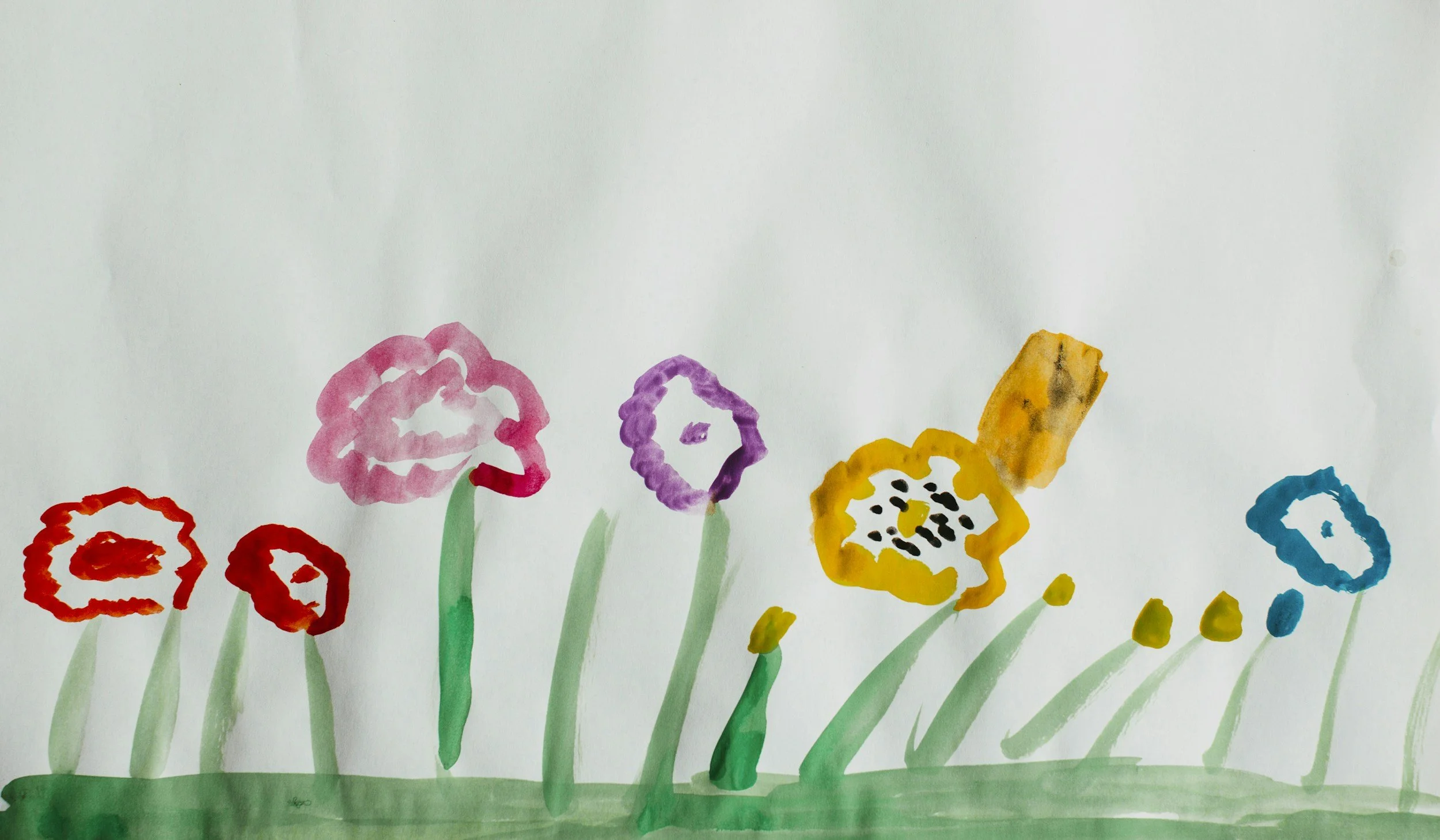
THIS IS YOUR REMINDER: This is your reminder to start collecting all those little masterpieces, ready for Christmas wrapping!
Instead of buying new wrapping paper this festive season, why not give your children's artwork a second life? Those colourful paintings, drawings and creative experiments make beautiful, one-of-a-kind gift wrap that grandparents, friends and family will love.
Add some recycled ribbon, natural twine or a handmade gift tag for an extra special touch.
It's a simple way to reduce waste, celebrate your child's creativity and introduce meaningful conversations about sustainability.
This Christmas, wrap your gifts in something made with love, not just paper!

BALLOON WADDLE
Can you waddle like a penguin without dropping your balloon? This playful movement challenge encourages children to develop balance, coordination and concentration while having plenty of giggles along the way.
What you'll need: One balloon or small soft ball per child
and a clear space to move.
Let's get moving! Get ready (1 minute): Place a balloon or soft ball between your knees and practise squeezing gently to keep it in place.
Penguin parade: Waddle across the room without dropping your balloon. Try moving slowly, taking tiny steps or changing direction.
Challenge time: Can you waddle around an obstacle, freeze when the music stops or make it back to the starting line?
Why it's great: This activity supports balance, core stability, coordination and body awareness while encouraging children to move, laugh and experiment with different ways of moving.
Safety tip: Soft balls are a safer option for younger children. If using balloons, provide close supervision and immediately remove any broken pieces, as uninflated and broken balloons are choking hazards.
Educator of The Month
Congratulations to
Lisa Bentley
Angel Kids Family Day Care
Nuriootpa, SA
Coordinator: Lisa Frick
Lisa has been with us now for just over 3 months but has been an Educator for many years beyond that.
Lisa has quickly adapted to our systems and our policies and procedures and has literally hit the ground running.
On top of that she has moved into a new home and set up a purpose built service at the side of her property complete with resource room and a quiet resting space.
She has spent so much time and effort making it a home inside and out and ensured she included the children in the set up and purchase of new resources so it feels like a home away from home for them.
Lisa has wasted no time exploring her new surroundings with the children taking them to local playgrounds and playgroups.
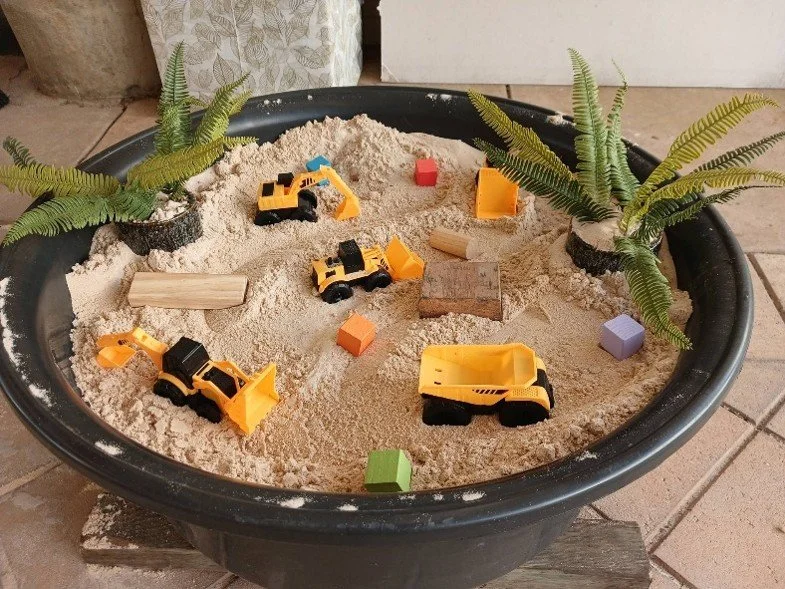
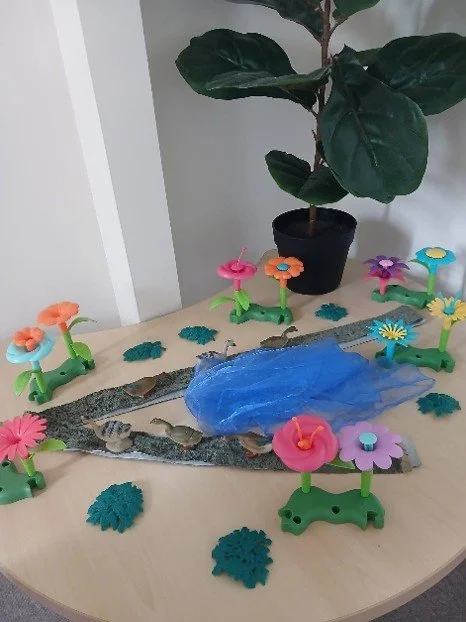
Her focus at the moment is making sure the new children are all settling in well together so there has been lots of group activity including small world play and outdoor loose parts exploration.
KIDS FDC would like to say a warm welcome to you and your families Lisa.
Keep up the awesome work!
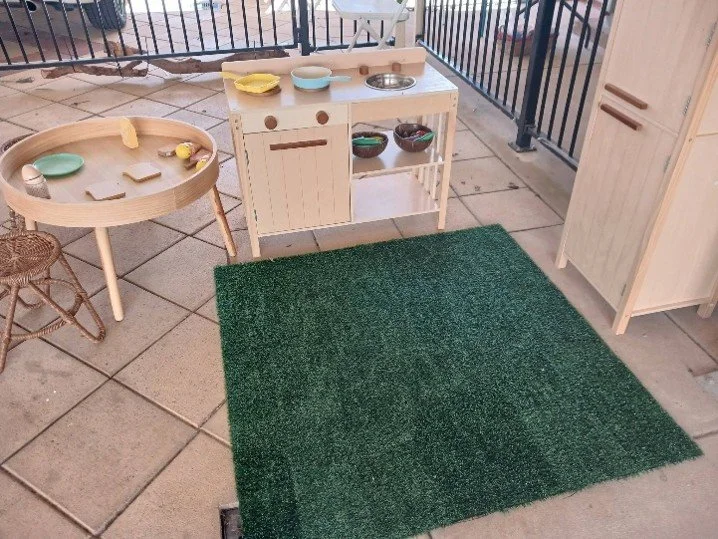
Kids Family Day care NOW in SOUTH AUSTRALIA!

Do you know an Educator in South Australia looking for a change? Learn more by clicking below…
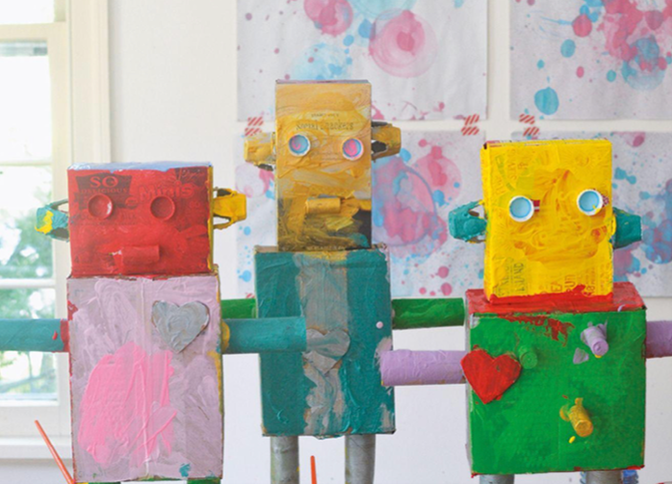
Let's get crafty!
RECYCLED ROBOTS
This hands-on activity encourages creativity, problem-solving and conversations about sustainability while showing children that materials don't always need to be thrown away.
What you'll need:
Clean cardboard boxes, tubes and egg cartons
Recycled paper and cardboard scraps
Large bottle lids and other safe recycled materials
Child-safe glue, masking tape and paint
Crayons or markers
Collect and explore: Gather your recycled materials and encourage children to investigate their shapes, sizes and textures. Talk about where these materials came from and how they might be reused.
Imagine and design: Invite children to dream up their own robot. Will it have long arms, giant feet or three eyes?
Build your robot: Use boxes, tubes and other recycled materials to construct your creation. Experiment with stacking, connecting and balancing different pieces.
Add some personality: Use paint, recycled paper and markers to bring each robot to life.
Keep the conversation going: What else could we make from materials we usually throw away? How does reusing these materials help our planet?
BEST BLOGS
GOOD INSIDE | Becky Kennedy
Created by clinical psychologist Dr Becky Kennedy, Good Inside offers a fresh, compassionate approach to parenting, helping families navigate the ups and downs of raising children with greater confidence, understanding and connection.
Built around the belief that children are inherently good, even when their behaviour is challenging, Good Inside helps parents look beyond difficult moments to understand the emotions and needs driving their child's behaviour.
Through expert-led workshops, practical parenting strategies, personalised guidance and a supportive online community, the platform provides tools to help families manage everyday parenting challenges. From emotional outbursts, anxiety and sibling disagreements to setting boundaries, building resilience and supporting emotional development, Good Inside offers realistic strategies that parents can put into practice at home.
Rather than focusing on achieving perfect parenting, Good Inside encourages parents to approach challenging situations with curiosity, compassion and confidence. Its resources support parents in responding to their children's needs while maintaining clear boundaries and developing their own emotional resilience.

Number Detectives
Become a number detective! This simple activity encourages children to practise counting and number recognition
while exploring their surroundings. What you'll need: Number cards (1–10) and a basket.
Let's play! Choose a number card. Search indoors or outdoors for the matching number of objects. Count your collection and check it matches your number. Compare collections. Who has more? Who has fewer?
Why it's great: Develops counting, number recognition and early mathematical thinking through hands-on play.
Send us feedback
Want to have your say and improve our services?
Email us at contact@kidsfamilydaycare.com