
Newsletter | June 2026
What’s On This Month
Key Dates
3rd June | Mabo Day
5th June | World Environment Day
9-15th June | Men’s Health Week
16th June | National Vegemite Day

Mini Vegetable Loaves
Recipe | MINI VEGETABLE LOAVES
Prep Time: 10 mins
Chill Time: 15 mins
Serves: 8
Ingredients
1 cup (250 ml) milk
1/4 cup (60 ml) olive oil
2 eggs
2 cups wholemeal flour
2 tsp baking powder
1/3 cup parmesan, grated
1 cup shredded mozzarella
1 carrot, grated
1 zucchini, grated
1 cup corn kernels
1/2 cup mixed herbs, chopped (basil, dill, chives)
sea salt and pepper
Method
Preheat oven to 180 degrees Celsius. Line a 12 hole muffin tin with papers, OR one (21cm x 11cm x 6cm) loaf pan OR four (15cm x 8cm x 4cm) mini loaf pans with baking paper. Set aside.
Place the milk, olive oil and eggs into a large bowl and whisk to combine. Add the flour, baking powder, parmesan, cheddar, carrot, zucchini, corn, mixed herbs and sea salt and pepper and stir to combine.
Divide the batter between the prepared tins and bake until gorgeously golden and when a skewer inserted removes cleanly.
NOTE: The muffins will take approx. 15 minutes, the standard loaf approx. 45 minutes, the mini loaves approx. 20 minutes.
Enjoy x
Find this recipe and more at ‘My lovely lunchbox'
Send Us feedback
Want to have your say and improve our services?
Email us at contact@kidsfamilydaycare.com
Sustainability

World Environment Day
World Environment Day 2026 focuses on climate change, on the urgent signals the Earth is sending and the signals we choose to send back. UNEP’s (UN Environment Program) global campaign calls on all of us to step in #NowForClimate, and steer a world already in motion. See how you can get involved.
Repair, Reuse and Reimagine
Before throwing something away, encourage children to think creatively about how it could be reused or repurposed. Old jars can become craft containers, cardboard boxes can turn into cubbies or robots, and worn clothing can be transformed into dress-ups, cleaning cloths or textile crafts.
Teaching children to repair, reuse and reimagine everyday items helps build creativity while also reducing waste going to landfill. Small habits at home can help children develop lifelong sustainability skills and a greater appreciation for the resources we use every day.
If you need some inspiration try

Fun with Numeracy
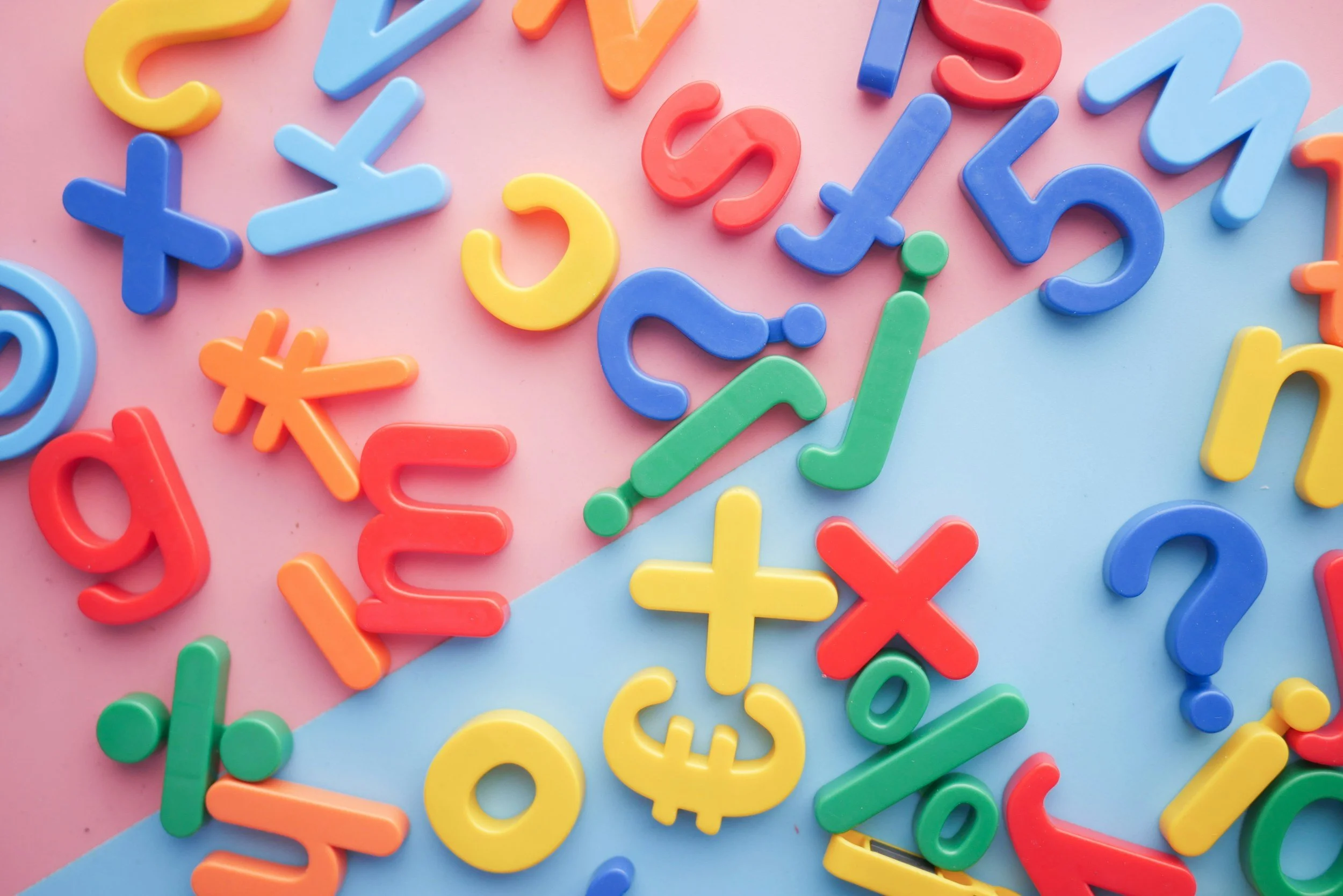
Sound Hunt Adventure!
A sound hunt is a simple activity that helps preschoolers begin recognising letter sounds while building listening,
language and observation skills. Choose one letter sound to focus on for the day, such as “S”. Say the sound
clearly together: “S says ssssss — like sun, sock and sandwich.”Then head on a “sound hunt” around the house, backyard or during a walk. Encourage your child to look for objects that begin with the chosen sound, such as spoon, slide, shoes, stick, snake toy.
Each time your child finds something, say the word together slowly and emphasise the beginning sound. You can make the activity even more fun by using a basket to collect items, taking photos, drawing the objects afterwards or turning it into a scavenger hunt. Most importantly, keep the activity playful and encouraging. Short, fun literacy experiences throughout everyday routines help children build confidence and enjoyment around language and learning.
HEALTH & SAFETY: Helping Children Manage Big Feelings
Big feelings are a normal part of childhood. Young children are still learning how to manage frustration, disappointment, excitement, anger and overwhelm. While adults have years of experience regulating emotions, children are only just beginning to understand what they are feeling and how to respond appropriately.
Sometimes those feelings come out in big ways, crying, yelling, throwing toys, refusing instructions, or even hitting. Although these moments can feel stressful for families, they are often a sign that a child needs support, connection and guidance rather than punishment alone.
When children hit, kick or lash out, it is important to respond calmly and safely. Start by stopping the behaviour immediately and clearly: “I won’t let you hit.”
Keeping language short and calm helps children feel safe, even when they are upset. If needed, gently move younger children away from others or remove unsafe objects nearby.
Once everyone is safe, try to focus on helping your child regulate before trying to reason or lecture. Children who are overwhelmed often cannot process long explanations in the heat of the moment. Some children may need a cuddle, quiet space, deep breaths, sensory play, or simply a calm adult nearby while they settle.
As emotions begin to calm, help your child name what they were feeling:
· “You felt really angry.”
· “You were disappointed.”
· “You wanted another turn.”
· “That felt unfair to you.”
Naming emotions helps children build emotional awareness and slowly develop the skills needed to manage those feelings more appropriately over time.
It is also important to teach children what they can do instead of hitting. Practice calm strategies during peaceful moments, not just during meltdowns.
You might encourage children to:
· use words to ask for help
· stomp feet on the ground instead of hitting
· squeeze a cushion
· take deep breaths
· ask for space
· draw or talk about feelings
Remember that learning emotional regulation takes years of practice and support. Children will make mistakes as they learn. Staying calm and consistent helps them feel secure while also teaching important boundaries.
Families can also help reduce emotional overload by maintaining predictable routines, ensuring children get enough sleep, allowing time for outdoor play and movement, and creating opportunities for connection throughout the day.
Big feelings are not “bad” feelings, they are part of growing up. With patience, support and guidance, children gradually learn that all feelings are okay, but not all behaviours are.


June 16th - National Vegemite Day!

What your favourite amount of Vegemite?
Sound Hunt Adventure, explore letter sounds!
Educator of The Month
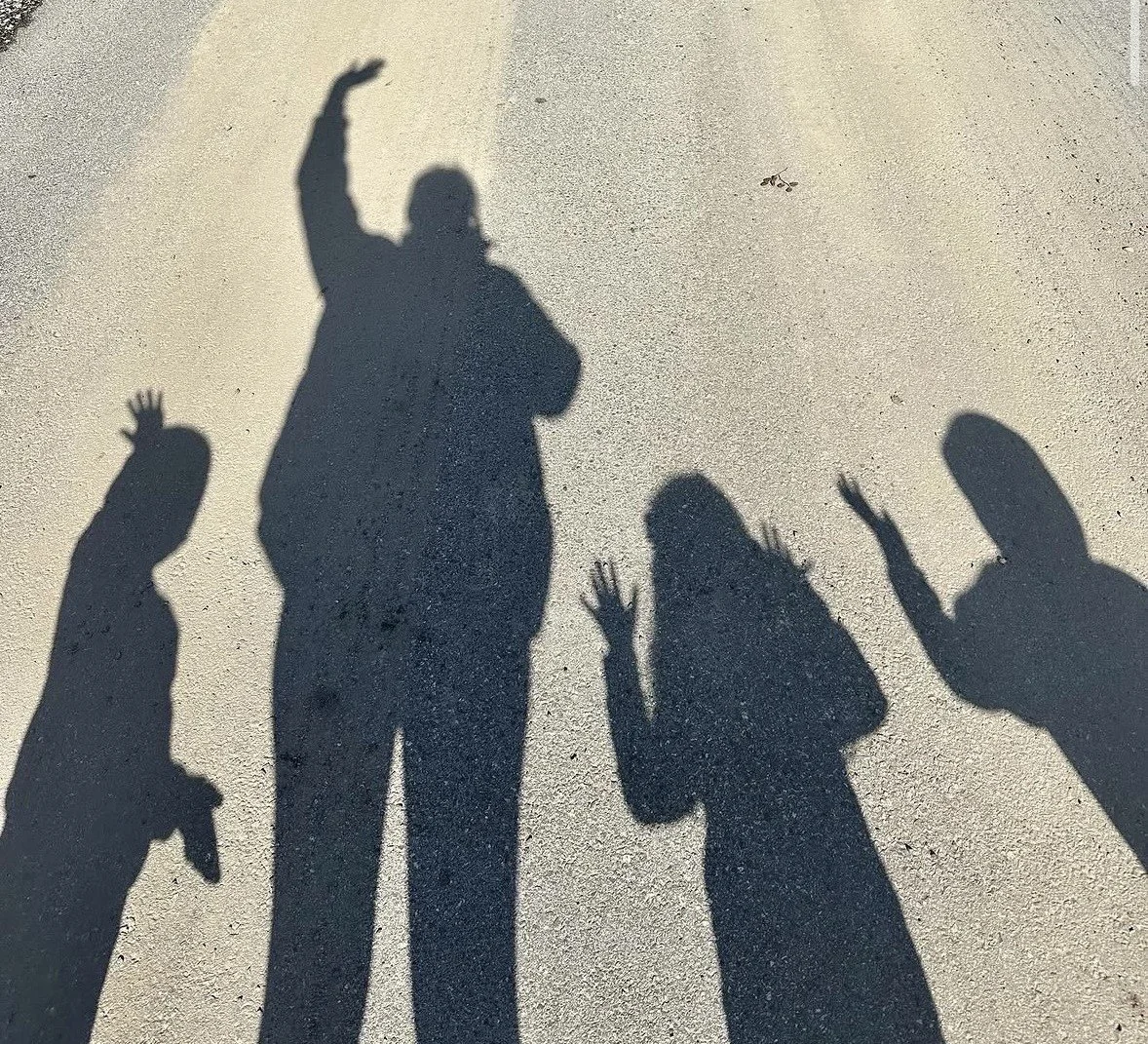
Brittany’s Barn House
Congratulations to …
Brittany (Brittany's Barn House)
Langwarrin South
Coordinator: Monique Bickle
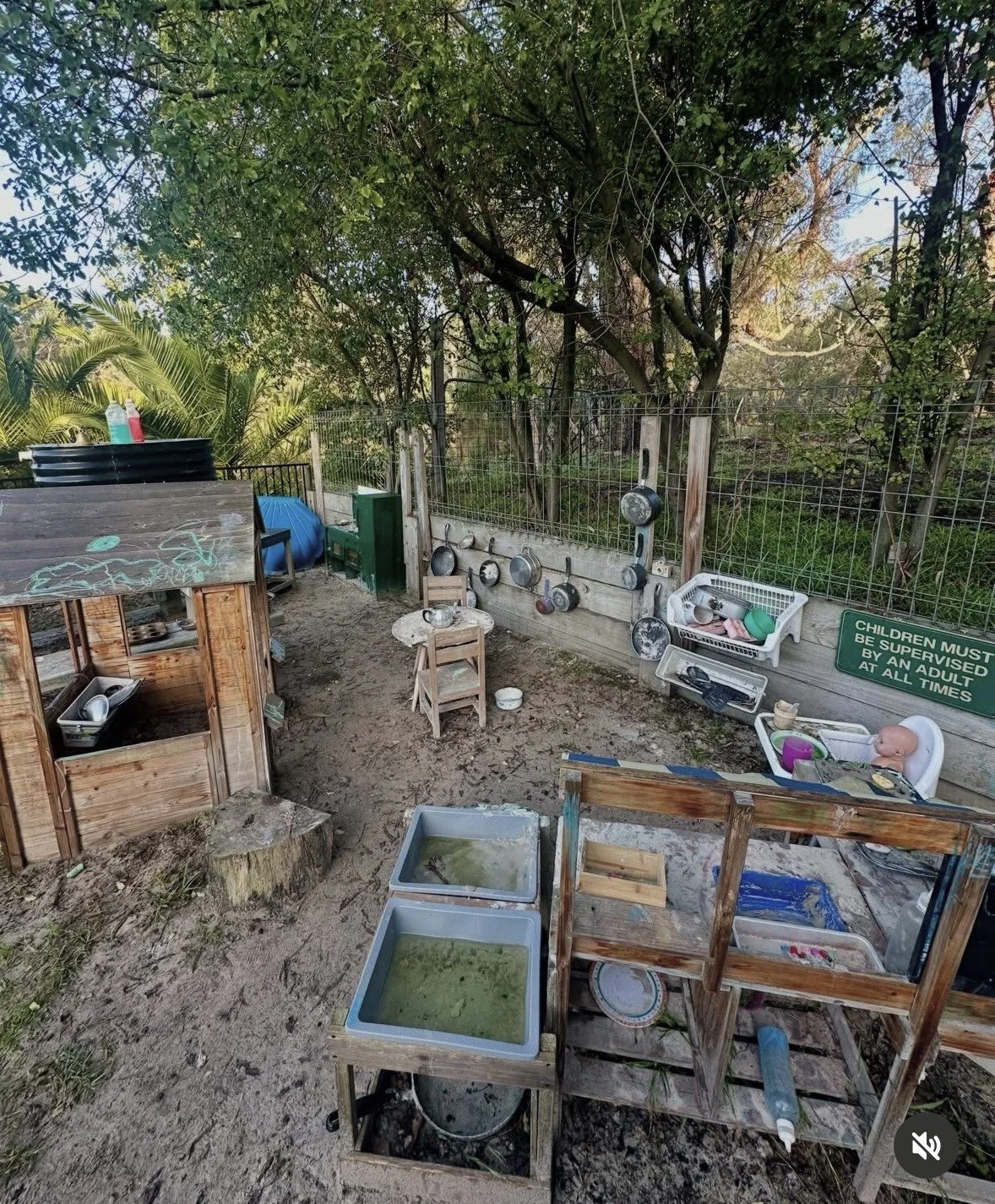
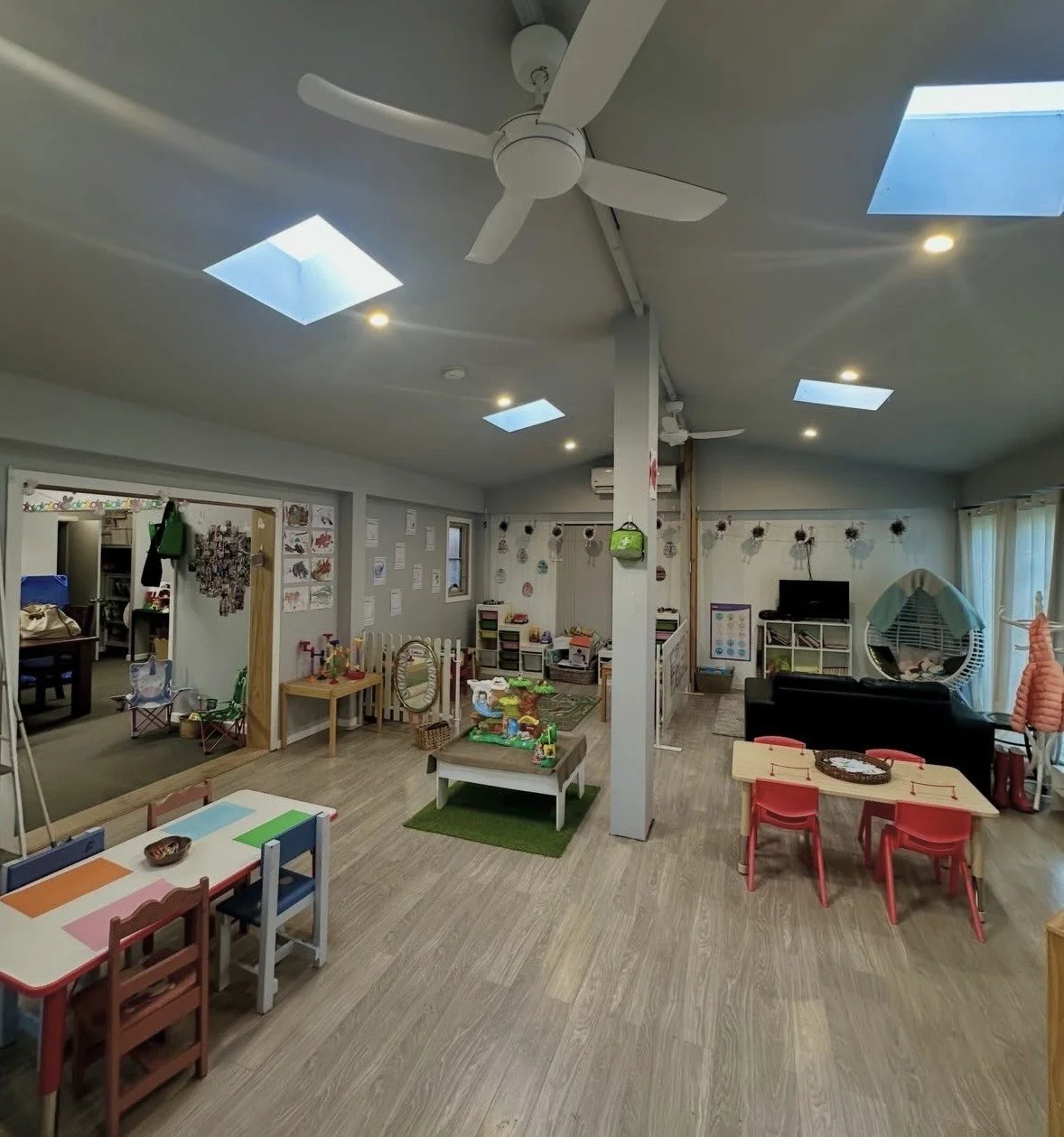
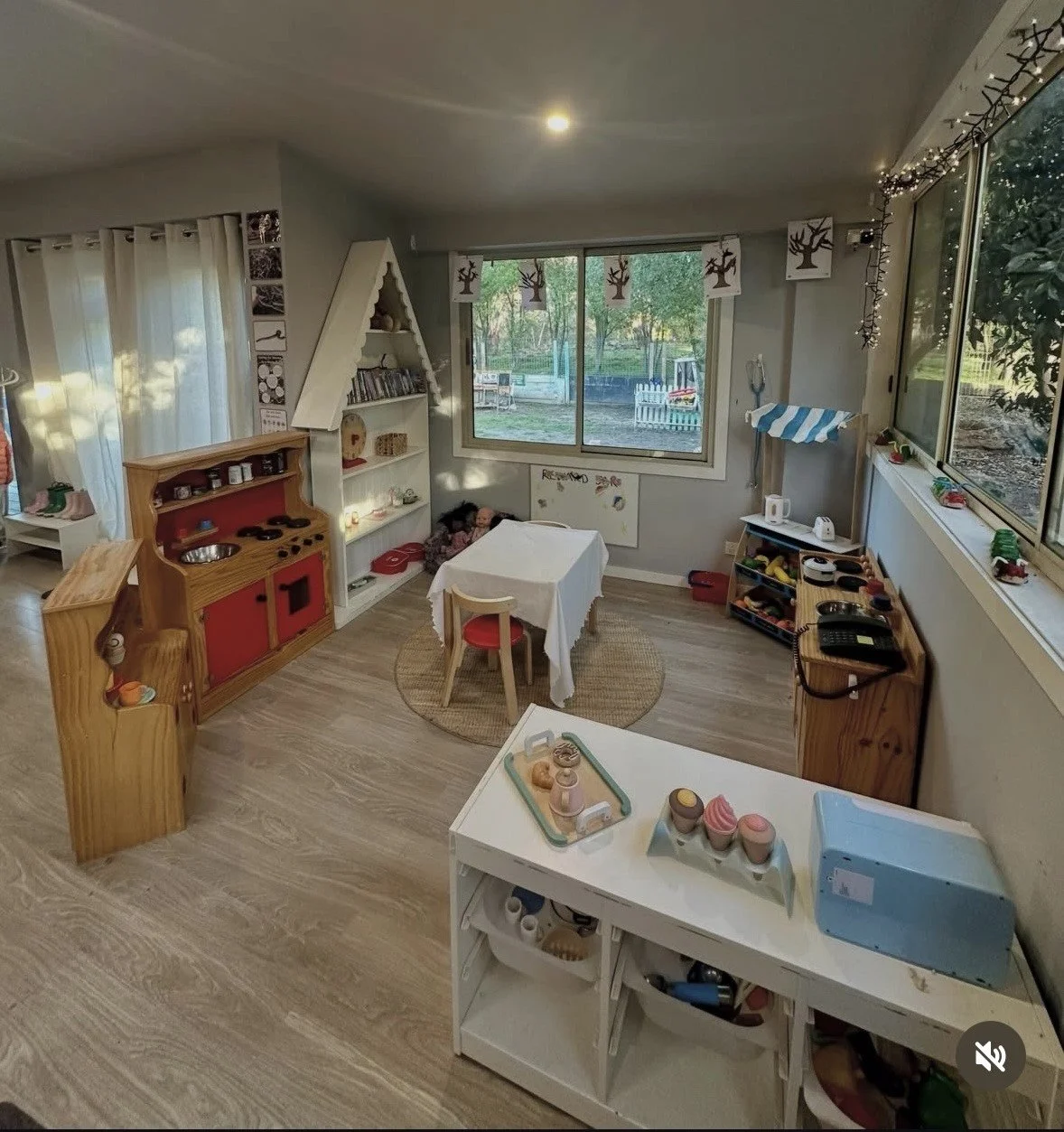
Brittany is an amazing FDC educator who genuinely goes above and beyond for the children in her care. She is always finding new and exciting ways to support children’s learning through creative and thoughtful experiences. Her FDC environment is incredible, especially being located on a farm where the children can interact with very sweet farm animals. Brittany creates such a calm, welcoming and fun environment where children are encouraged to learn, explore and feel safe.
What makes Brittany stand out is her patience, creativity and the way she speaks so respectfully to the children at all times. She has such a warm and caring nature and builds amazing relationships with both the children and their families. You can tell how much thought and effort she puts into everything she does, and the children absolutely thrive in her care.
Thank you Brittany!


EXCITING NEWS!
Kids Family Daycare NOW in SOUTH AUSTRALIA!
Do you know an Educator in South Australia looking for a change? Learn more by clicking below…
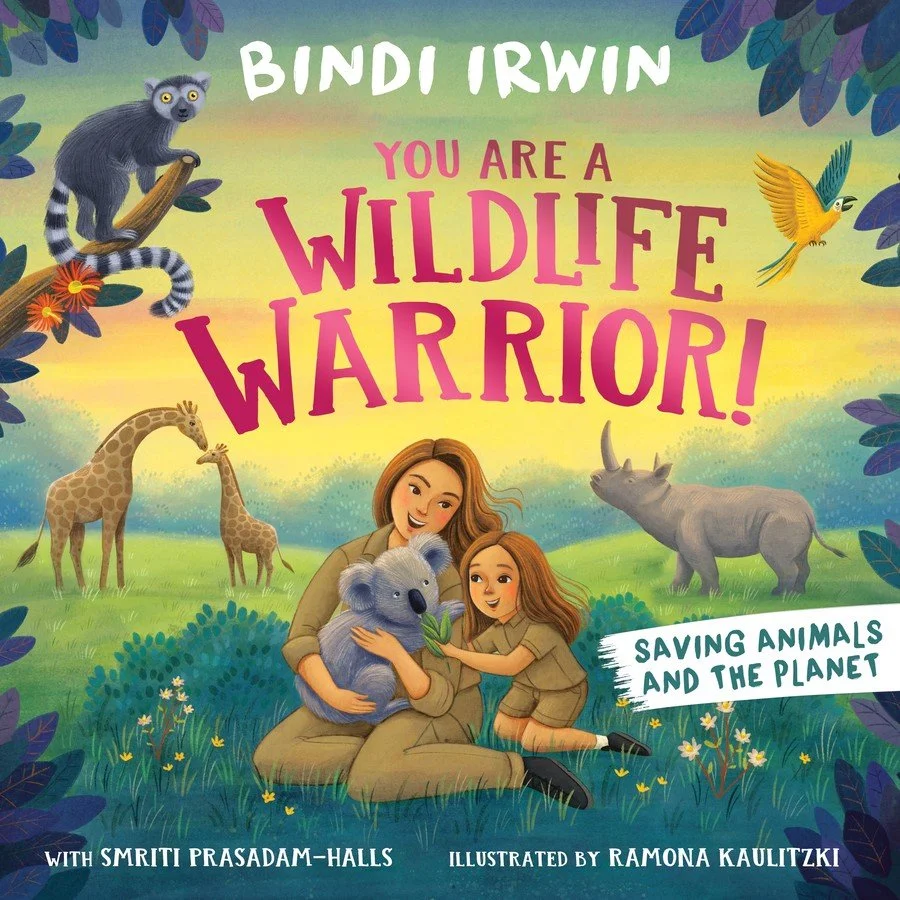
Books we Love
Our Top Picks




Take Turns Art
Take Turns Art
This simple art activity encourages creativity, communication and connection through shared drawing and mark making. Using any art materials you have at home, such as pencils, crayons, markers, paint, chalk or stamps, take turns adding marks, lines, shapes or drawings to the same piece of paper.
Begin by inviting your child to make the first mark. You then add something new, followed by your child again, continuing back and forth to create a collaborative artwork together. One person might draw a line, while the next adds a shape, colour, pattern or picture inspired by what was already created.
There are no rules or “right” outcomes — the fun comes from watching the artwork grow and change with each turn. Children often enjoy seeing how their ideas connect with someone else’s and may begin turning simple marks into imaginative pictures, stories or patterns.
This activity supports more than just creativity. Taking turns helps children practice patience, cooperation, listening and flexible thinking. Mark making also helps strengthen fine motor skills, hand control and early pre-writing development.
Most importantly, focus on enjoying the process together rather than the finished product. Shared creative experiences help children build confidence, strengthen relationships and develop a positive connection with art and self-expression.